Trump Iran Deal: Stunning Wall to Nuclear Weapon


Trump Iran Deal is back in the spotlight, but the debate around it is less about rhetoric than about whether diplomacy can still slow a nuclear crisis without triggering a wider regional one.
The latest round of commentary around Donald Trump’s approach to Iran has revived a familiar argument: can a tough, negotiated agreement really act as a barrier to nuclear weapons, or does it simply delay a confrontation that is already building? Across different international outlets, the answer is framed very differently. Some emphasize deterrence and leverage, others focus on mistrust and escalation, and still others argue that any workable deal must balance sanctions, verification, and security guarantees rather than rely on slogans alone.



Trump Iran Deal and the case for pressure-first diplomacy
Supporters of Trump’s harder line on Iran often argue that a strong deal is only effective if Tehran believes the alternative is worse. That logic has long been central to Washington’s Iran policy: pressure creates bargaining power, and bargaining power can produce limits on uranium enrichment, inspections, and missile-related concerns.
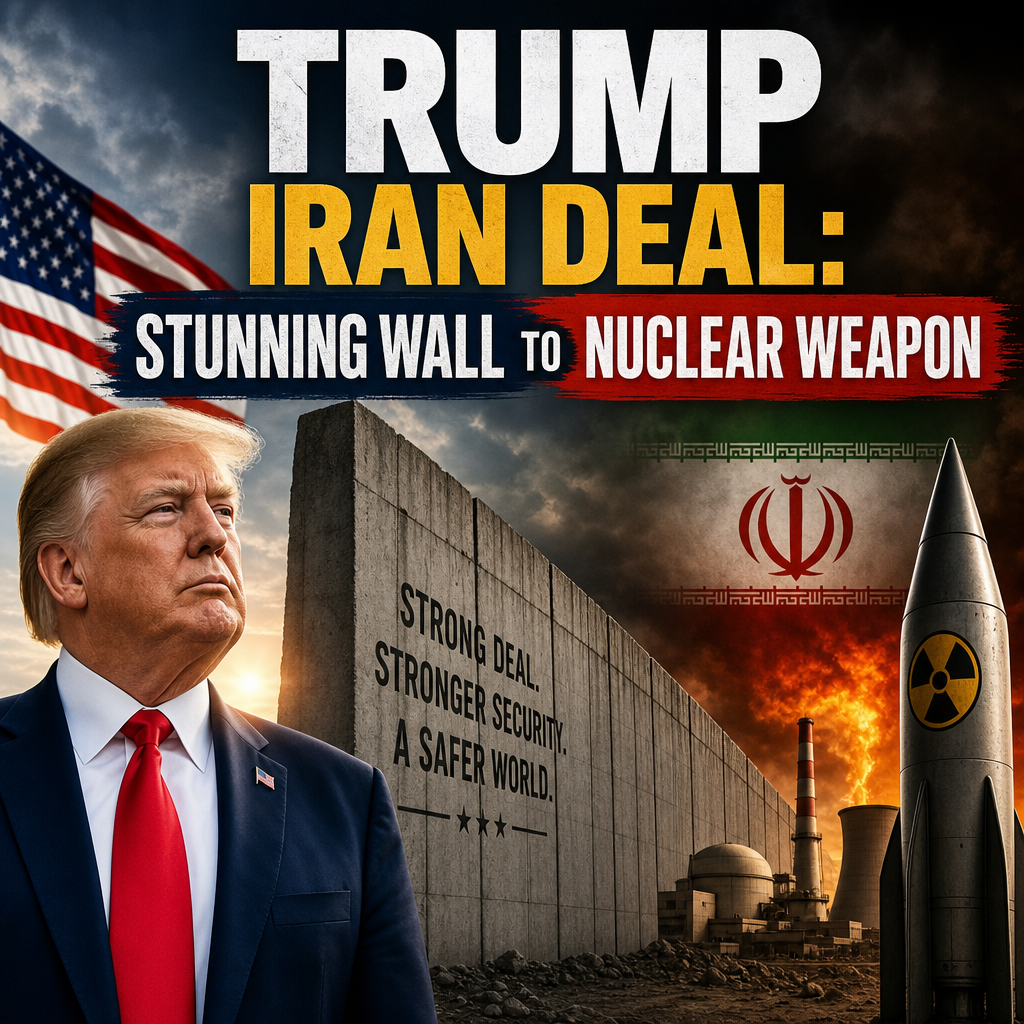
From this perspective, the phrase “wall to a nuclear weapon” captures the basic pitch. The goal is not simply to sign an agreement, but to build multiple barriers—technical, diplomatic, and economic—between Iran and a bomb. That would mean:
– tighter limits on enrichment levels and stockpiles
– more intrusive monitoring by international inspectors
– clearer consequences for violations
– a sanctions structure that can be restored quickly if Iran backtracks




This argument tends to resonate with those who believe earlier agreements were too easy for Iran to stretch, reinterpret, or outlast. It also fits a broader Trump-era foreign policy style: maximize leverage first, then negotiate from strength. In that telling, a visibly tough stance may be the only way to make Tehran take talks seriously.
Skepticism from Al Jazeera and other critics
Critics, especially in coverage that highlights regional tensions and the human cost of sanctions, are far less convinced that coercion leads to durable restraint. They argue that Iran has repeatedly shown it can absorb pressure, adapt its nuclear program, and use confrontation with the West to reinforce hardline politics at home.
That skepticism matters because a nuclear agreement is not just a legal document; it is a political bargain that depends on trust, or at least manageable distrust. If Iran believes the United States could exit again, as it did before, then even a new deal may be viewed in Tehran as temporary and fragile. That makes the “wall” metaphor less reassuring than it sounds. A wall can be scaled, undermined, or left unfinished.
Al Jazeera’s broader reporting on the Middle East often places this issue within a wider regional crisis: Gaza, Lebanon, Red Sea tensions, and the risk that any Iran-related escalation could pull in multiple actors. From that angle, a Trump-led deal is not just about nuclear enrichment. It is about whether Washington can lower the temperature without appearing weak to allies like Israel and Gulf states, who worry that any compromise might trade a short-term pause for a longer-term threat.
RT’s angle: sanctions, sovereignty, and Western double standards
RT-style coverage typically pushes the conversation in a different direction, emphasizing sovereignty, the failure of Western pressure tactics, and the perception that the United States and its partners demand restrictions from Iran while ignoring the wider strategic context. In that view, the problem is not simply whether Iran can be contained, but whether Washington is willing to negotiate in good faith rather than use talks as a political trap.
This framing usually resonates with critics of U.S. interventionism. It raises a fair point: if a deal is seen as another instrument of dominance, then even technically strong safeguards may lack political legitimacy. Iran’s leadership may ask why it should accept limits if sanctions can return regardless of compliance.
That does not mean sanctions are irrelevant. But it does suggest that an agreement built only on punishment has limits. A sustainable deal likely needs some mixture of relief, verification, and diplomatic recognition—not just threats. RT’s perspective often overstates the innocence of Tehran’s position, but it correctly highlights that nuclear diplomacy is shaped by power asymmetry. Iran is negotiating under pressure, and that affects what it is willing to sign.
What Sky News and other Western reports tend to stress
Sky News coverage of Iran-related developments usually sits closer to the mainstream Western security perspective: concern about nuclear breakout time, the risk of regional war, and the political challenge facing any U.S. administration that wants a deal without appearing to reward Iranian defiance.
That approach tends to be more practical than ideological. The central question is not whether Iran is good or bad, but whether a deal can be verified and enforced. Western reporting also often underlines how much the negotiation is tied to domestic politics in the U.S. A Trump-backed agreement would face scrutiny from Congress, critics of appeasement, and foreign policy hawks who distrust any arrangement they cannot see as permanent.
The most useful contribution from this perspective is realism. Even a successful deal would likely be messy, limited, and subject to constant dispute. It would not solve:
– Iran’s missile program
– regional proxy conflicts
– distrust between Tehran and Washington
– the political volatility of U.S. administrations
But it could still buy time, which in nonproliferation terms is not a trivial achievement.
The harder truth: a wall is only as strong as the politics behind it
The biggest lesson from the current debate is that no one can reduce the Iran issue to a single promise. A “strong” deal may slow nuclear progress, but it will not automatically end the strategic rivalry. A confrontational approach may intimidate Tehran, but it can also harden its resolve. And a purely symbolic agreement may look good on paper while failing in practice.
The most credible path, if one emerges, would probably combine elements from all three viewpoints:
– pressure, so Iran has reason to negotiate
– verification, so compliance can be measured
– flexibility, so the deal survives political change
– regional diplomacy, so the agreement does not sit isolated from broader Middle East instability
In the end, the Trump Iran Deal debate is less about whether a wall can be built than about who is willing to maintain it. Nuclear diplomacy is rarely dramatic in the moment, but its success depends on patience, consistency, and the ability to accept imperfect outcomes. That is what makes this issue so difficult—and why the search for a lasting agreement remains unfinished.